The rise of Artificial Intelligence (AI) is no longer a future concept—it’s happening right now. From chatbots answering customer queries to automation replacing repetitive tasks, AI is reshaping industries at a rapid pace. As we step into 2026, one question is on everyone’s mind: Will AI replace human jobs completely, or will humans still have a place in the workforce?
The truth lies somewhere in between. While AI is transforming how we work, it’s not eliminating the need for humans—it’s changing the kind of work we do. In this article, we’ll explore which jobs are at risk, which will survive, and how you can stay ahead in this evolving landscape.
Understanding AI’s Impact on Jobs
AI works best when tasks are predictable, repetitive, and data-driven. This makes certain jobs more vulnerable than others.
Jobs Most Likely to Be Replaced by AI
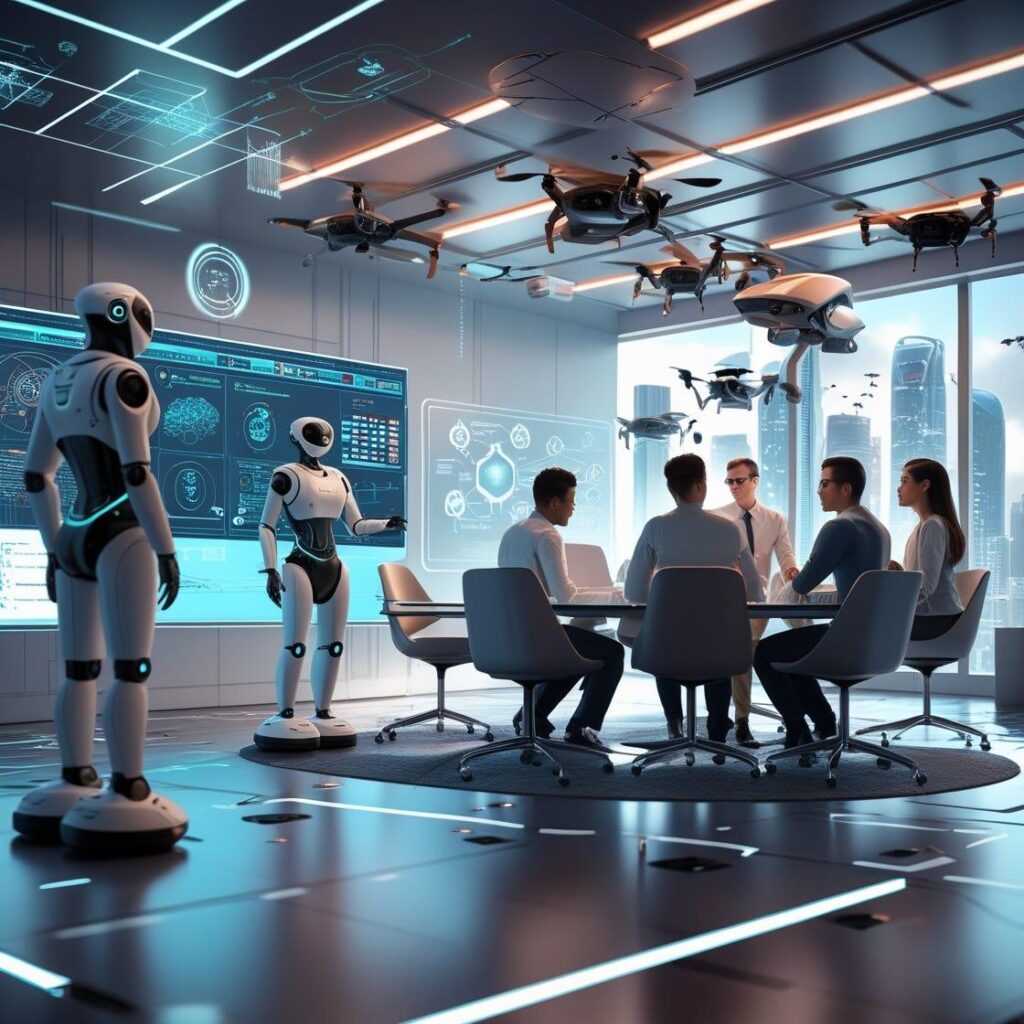
AI excels at automation, so roles that involve routine processes are at higher risk:
1. Data Entry & Administrative Jobs
Tasks like data entry, scheduling, and basic reporting can now be handled faster and more accurately by AI tools.
2. Customer Support (Basic Level)
AI chatbots can manage common queries 24/7, reducing the need for large customer service teams.
3. Manufacturing & Repetitive Labor
Robotics and AI-driven machines are replacing human labor in factories due to efficiency and cost-effectiveness.
4. Basic Content Creation
Simple articles, product descriptions, and reports can now be generated using AI tools.
Jobs That Will Survive (and Thrive)
Not all jobs are at risk. In fact, many roles will become even more valuable in the AI era.
1. Creative Professionals
AI can generate content, but it lacks true creativity and originality. Jobs like:
- Writers
- Designers
- Filmmakers
will continue to need human imagination and emotional depth.
2. Emotional Intelligence-Based Roles
Jobs that require empathy, understanding, and human connection are difficult to automate:
- Psychologists
- Teachers
- Healthcare professionals
3. Strategic & Decision-Making Roles
AI can analyze data, but humans make complex decisions:
- Business leaders
- Entrepreneurs
- Consultants
4. Skilled Trades
Hands-on jobs like electricians, plumbers, and mechanics are hard to replace because they require physical presence and adaptability.
The Rise of Hybrid Jobs
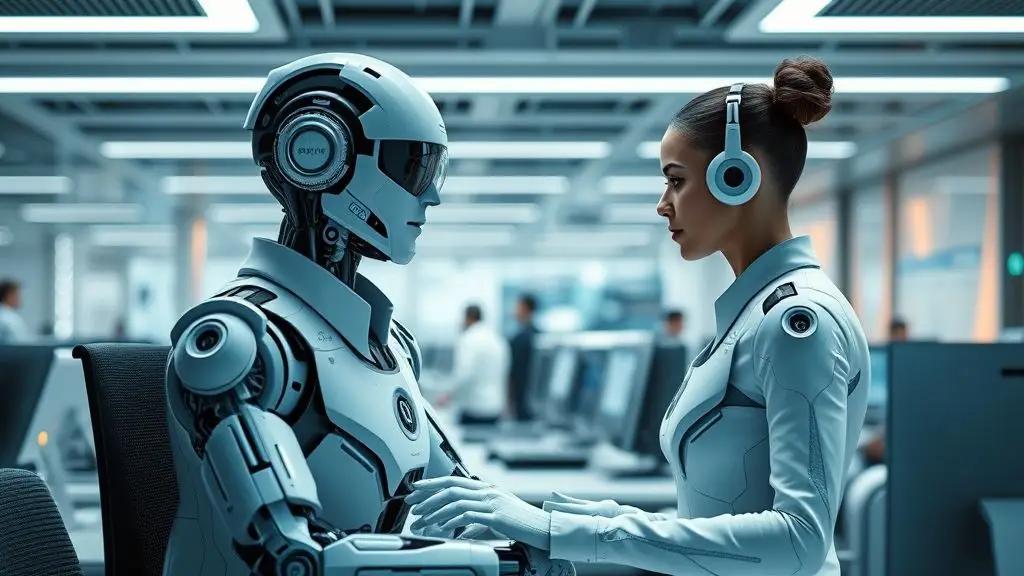
One of the biggest trends in 2026 is the emergence of AI + Human collaboration roles.
Instead of replacing humans, AI is becoming a tool that enhances productivity. For example:
- A marketer uses AI to analyze data, but creates a strategy manually
- A designer uses AI tools for drafts, but finalizes creative direction
- A doctor uses AI for diagnosis support, but makes the final decision
These hybrid roles are becoming the new normal.
Skills That Will Matter Most in 2026
To stay relevant, you need to focus on skills that AI cannot easily replicate.
1. Critical Thinking
AI provides information, but humans interpret and question it.
2. Creativity
Original ideas, storytelling, and innovation will always be in demand.
3. Emotional Intelligence
Understanding people, building relationships, and communication skills are key.
4. Tech Literacy
You don’t need to become a programmer, but understanding how AI tools work is essential.
5. Adaptability
The ability to learn and evolve quickly will be your biggest advantage.
AI is Not the Enemy – It’s a Tool

Many people fear AI because they think it will take away jobs. But history shows that technology creates new opportunities.
For example:
- The internet created digital marketing jobs
- Smartphones created the app development industries
- Social media created influencer careers
Similarly, AI is creating new roles like:
- AI prompt engineers
- AI tool specialists
- Automation consultants
Instead of resisting AI, the smarter approach is to learn how to use it.
How You Can Future-Proof Your Career
If you want to stay ahead in 2026 and beyond, here are practical steps:
1. Learn AI Tools
Start using tools like ChatGPT, automation platforms, and analytics software.
2. Build a Personal Brand
In a world of automation, human identity matters more than ever.
3. Focus on High-Income Skills
Skills like:
- Digital marketing
- Sales
- Copywriting
- Business strategy
will remain valuable.
4. Combine Skills
Don’t rely on one skill. For example:
- Marketing + AI
- Design + Automation
- Writing + SEO
This combination makes you harder to replace.
The Reality: AI vs Human is the Wrong Debate

The real question is not AI vs. humans, but AI + Humans vs Those Who Don’t Adapt.
People who learn AI will replace those who don’t—not the other way around.
In 2026:
- AI will handle repetitive work
- Humans will focus on creativity, strategy, and relationships
This shift will redefine success in the modern workforce.
Conclusion
AI is undoubtedly transforming the job market, but it’s not the end of human work—it’s the evolution of it. While some jobs will disappear, many new opportunities will emerge.
The key takeaway is simple:
Adapt, learn, and evolve.
If you embrace AI as a tool rather than fear it as a threat, you won’t just survive—you’ll thrive in 2026 and beyond.
FAQs
1. Will AI completely replace human jobs in 2026?
No, AI will not completely replace human jobs. It will automate certain tasks, but many roles will still require human skills like creativity and emotional intelligence.
2. Which jobs are safest from AI?
Jobs involving creativity, emotional intelligence, decision-making, and skilled trades are the safest.
3. How can I protect my job from AI?
Learn AI tools, improve your skills, and focus on areas that require human thinking and creativity.
4. Is AI a threat or an opportunity?
It’s both—but mostly an opportunity for those who are willing to adapt and learn.
5. What new jobs will AI create?
AI will create roles like AI specialists, automation experts, prompt engineers, and data analysts.