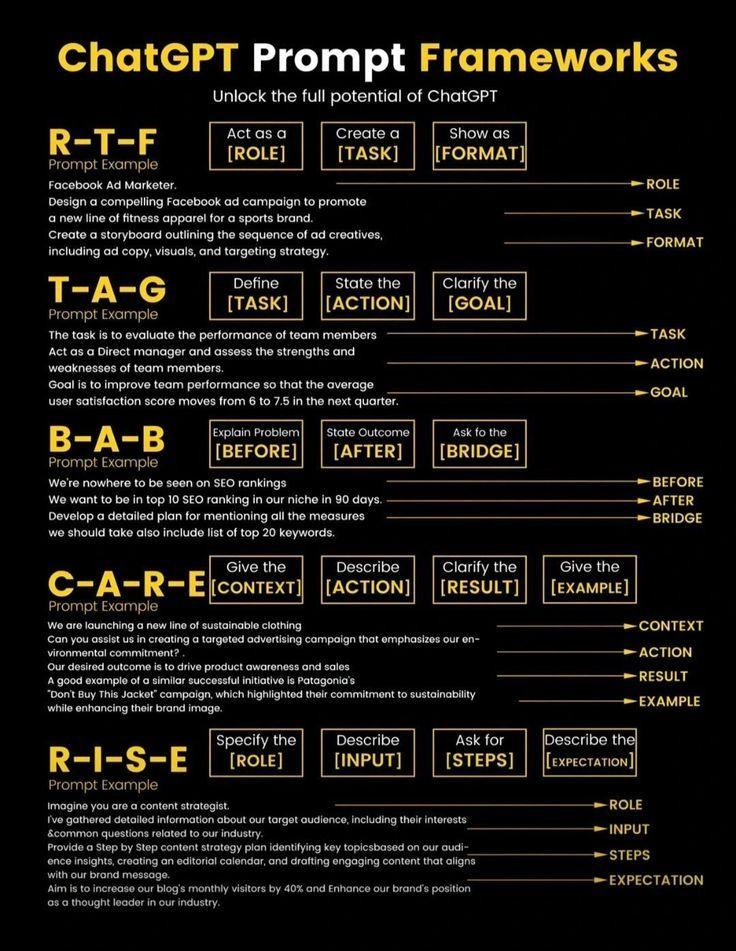
In 2026, tools like ChatGPT have become powerful productivity partners—helping people write content, solve problems, automate tasks, and even generate business ideas. But here’s the truth most beginners overlook:
The quality of your results depends on the quality of your prompts.
If you’ve ever felt like ChatGPT gives generic or off-target answers, the issue is usually not the AI—it’s how the question was asked.
This beginner-friendly guide will teach you exactly how to write effective prompts so you can get faster, smarter, and more accurate responses.
What is a Prompt in ChatGPT?
A prompt is simply the instruction or question you give to ChatGPT.
Think of it like giving directions to a skilled assistant. The clearer and more specific your instruction, the better the outcome.
Example:
- ❌ Weak Prompt: “Write about business.”
- ✅ Strong Prompt: “Write a 1000-word blog post about how to start a small import-export business in India with low investment.”
See the difference? One is vague, the other is actionable.
Why Prompt Writing Matters More Than Ever in 2026

With AI evolving rapidly, users who know how to communicate effectively with AI tools have a huge advantage.
Key Benefits of Good Prompting:
- Saves time by reducing back-and-forth
- Produces high-quality, usable outputs
- Helps in business automation and scaling
- Improves accuracy and relevance
In short, prompt writing is now a high-value skill—especially for entrepreneurs, freelancers, and content creators.
The 5 Key Elements of a Perfect Prompt

To get the best results from ChatGPT, your prompt should include these five elements:
1. Clear Objective
Tell the AI exactly what you want.
Example:
“Write a blog post,” vs.
“Write a beginner-friendly blog post on how to earn money online in 2026.”
2. Context
Provide background information so the AI understands your situation.
Example:
“I am starting a business connecting international exporters to Indian importers…”
This helps generate more personalized and relevant responses.
3. Specific Instructions
Mention format, structure, or style.
Example:
- Use bullet points
- Include headings (H2, H3)
- Add examples
4. Tone & Style
Define how the content should sound.
Examples:
- Friendly
- Professional
- Persuasive
- Conversational
5. Constraints
Set limits like word count, audience level, or format.
Example:
“Write 1500 words for beginners with simple language.”
The BEST Prompt Formula for Beginners

You can use this simple formula every time:
Prompt Formula:
“Act as [role]. Create [task] about [topic] for [audience]. Use [tone]. Include [specific instructions]. Limit to [constraints].”
Example Using the Formula:
“Act as a digital marketing expert. Write a 1200-word beginner-friendly article on Instagram growth strategies for small businesses. Use a friendly tone. Include headings, examples, and actionable tips.”
Types of Prompts You Should Know

Understanding different types of prompts can multiply your results.
1. Instruction Prompts
Direct commands.
Example:
“Create a business plan for a dropshipping store.”
2. Role-Based Prompts
Assign a role to ChatGPT.
Example:
“Act as a startup mentor and guide me…”
3. Step-by-Step Prompts
Ask for processes.
Example:
“Explain how to start freelancing step by step.”
4. Creative Prompts
Used for content creation.
Example:
“Write a viral Instagram caption for a travel page.”
5. Analytical Prompts
Used for deeper thinking.
Example:
“Compare freelancing vs job in 2026 with pros and cons.”
Common Prompt Mistakes Beginners Make
Avoid these mistakes if you want better results:
❌ Being Too Vague
“Tell me about money” → unclear and broad
❌ Giving No Context
Without context, responses become generic
❌ Ignoring Format
If you don’t specify structure, output may be messy
❌ Expecting Perfect First Output
Good prompting is iterative—refine and improve
Pro Tips to Get Better Results Instantly
Here are some expert-level tips you can start using today:
✔ Use Follow-Up Prompts
Don’t stop at one response. Improve it.
Example:
- “Make it more detailed”
- “Simplify for beginners”
- “Add examples”
✔ Break Big Tasks into Smaller Prompts
Instead of asking everything at once, divide tasks.
✔ Use “Regenerate” Smartly
If the answer isn’t good, tweak your prompt slightly.
✔ Ask for Multiple Variations
“Give me 5 different headline options”
✔ Use Real-Life Context
More context = better personalization
Real-World Use Cases of ChatGPT Prompting
Here’s how you can use ChatGPT effectively in daily life and business:

Business
- Market research
- Lead generation ideas
- Email writing
Content Creation
- Blog posts
- YouTube scripts
- Social media captions
Freelancing
- Proposal writing
- Client communication
- Portfolio ideas
Online Earning
- Affiliate marketing strategies
- Digital product ideas
- SEO optimization
Example of a Powerful Prompt (Full Breakdown)
Let’s look at a high-quality prompt:
“Act as a business consultant. Create a step-by-step guide to start an import-export business in India with low investment. Target beginners. Use a friendly tone. Include tools, costs, and practical tips in 1200 words.”
Why This Works:
- Clear role
- Defined task
- Target audience
- Tone specified
- Structured output
Future of Prompt Writing (2026 and Beyond)
Prompt writing is no longer just a skill—it’s becoming a core digital literacy.
In the future:
- Businesses will hire “AI Prompt Specialists”
- Automation will depend heavily on prompt design
- Personalized AI assistants will require advanced prompting
If you learn this now, you’re already ahead of most people.
Conclusion
Learning how to use ChatGPT effectively isn’t about technology—it’s about communication.
When you write clear, detailed, and structured prompts, you unlock the real power of AI.
Start simple, practice daily, and refine your prompts over time.
Remember:
👉 Better prompts = Better results = More opportunities
FAQs
1. What is the best way to write a ChatGPT prompt?
Use a structured format including role, task, audience, tone, and constraints.
2. How long should a prompt be?
It should be as detailed as needed—clarity is more important than length.
3. Can beginners learn prompt writing easily?
Yes, with practice and simple frameworks, anyone can master it.
4. Why does ChatGPT sometimes give wrong answers?
Usually due to unclear or incomplete prompts.
5. Is prompt writing a valuable skill in 2026?
Absolutely. It’s one of the most in-demand digital skills today.