
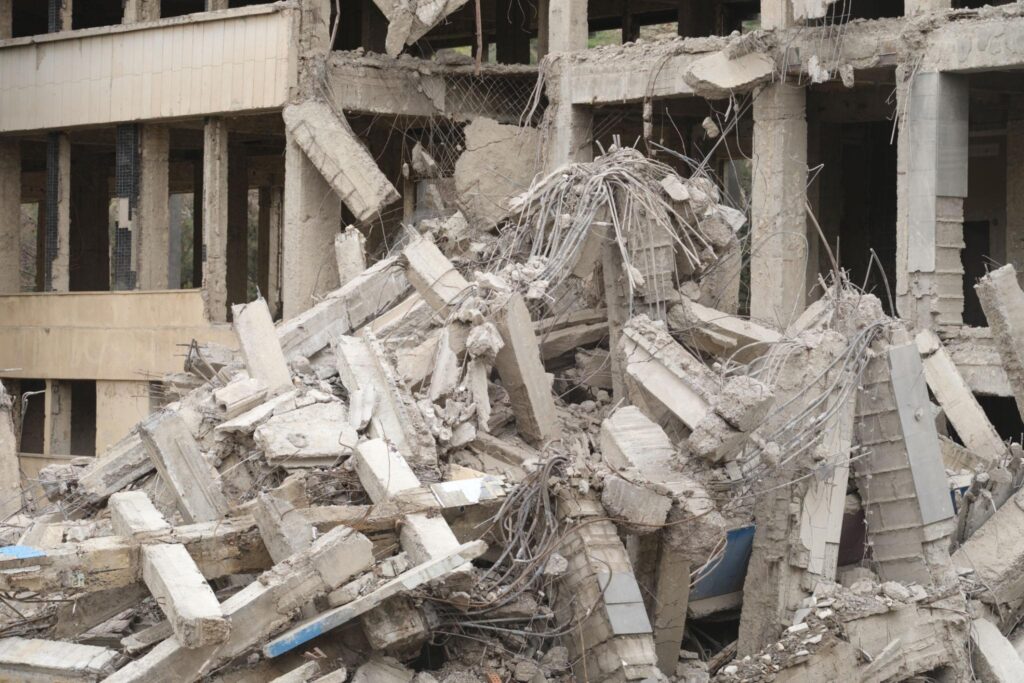
The ongoing tensions and conflicts involving Iran in 2026 are not just geopolitical headlines—they are deeply affecting the everyday lives of millions of people. While news often focuses on military strategies and international relations, the real story lies in how ordinary citizens struggle to maintain stability in their daily routines, income, and plans.
In this article, we’ll break down, in simple terms, how the Iran war situation is impacting people’s daily life and income, both within the region and globally.
Understanding the Situation in 2026
The conflict involving Iran has led to economic disruptions, supply chain issues, and increased uncertainty across multiple countries. Sanctions, rising fuel prices, and instability have created ripple effects that go far beyond borders.
For common people, this translates into higher costs, fewer job opportunities, and constant uncertainty.
Impact on Daily Life

1. Rising Cost of Living
One of the most immediate effects of war is inflation. Prices of necessities like food, fuel, and transportation have increased significantly.
- Groceries have become more expensive.
- Fuel prices are unstable.
- Electricity and gas costs are rising.
For families, this means adjusting budgets, cutting down on non-essential spending, and sometimes even struggling to afford basic needs.
2. Shortage of Essential Goods
Due to disrupted supply chains and trade restrictions:
- Medicines may become harder to find
- Imported goods are limited
- Local markets may face shortages
This creates stress for families, especially those relying on specific products or medical supplies.
3. Disruption of Education and Routine
War doesn’t just affect economies—it disrupts daily routines.
- Schools may close or operate irregularly.
- Students face interruptions in learning.
- Parents worry about safety and stability
This long-term disruption can affect an entire generation’s future.
4. Mental Stress and Uncertainty
Living in or near a conflict zone creates emotional pressure:
- Fear of escalation
- Anxiety about financial stability
- Uncertainty about the future
Mental health challenges often increase during such times, even if they are not openly discussed.
Impact on Income and Jobs

1. Job Loss and Reduced Opportunities
Businesses suffer during conflict due to instability and reduced demand.
- Companies may shut down or downsize
- Hiring slows down significantly
- Daily wage workers are hit the hardest
Many people find themselves unemployed or earning less than before.
2. Decline in Business Activity
Small businesses and local traders face major challenges:
- Reduced customer spending
- Difficulty in importing/exporting goods
- Increased operational costs
Entrepreneurs often struggle to keep their businesses running.
3. Impact on International Trade
Iran plays an important role in global oil supply. Conflict affects:
- Oil exports
- Shipping routes
- Global trade stability
This leads to economic effects worldwide, including higher fuel prices and increased transportation costs.
4. Currency Devaluation
Economic pressure often weakens the national currency:
- Savings lose value
- Imports become more expensive
- Purchasing power decreases
This directly impacts household income and financial planning.
Global Impact: Why It Matters to Everyone
Even if you’re not living in Iran or nearby regions, the effects are still felt globally.
1. Fuel Price Increase Worldwide
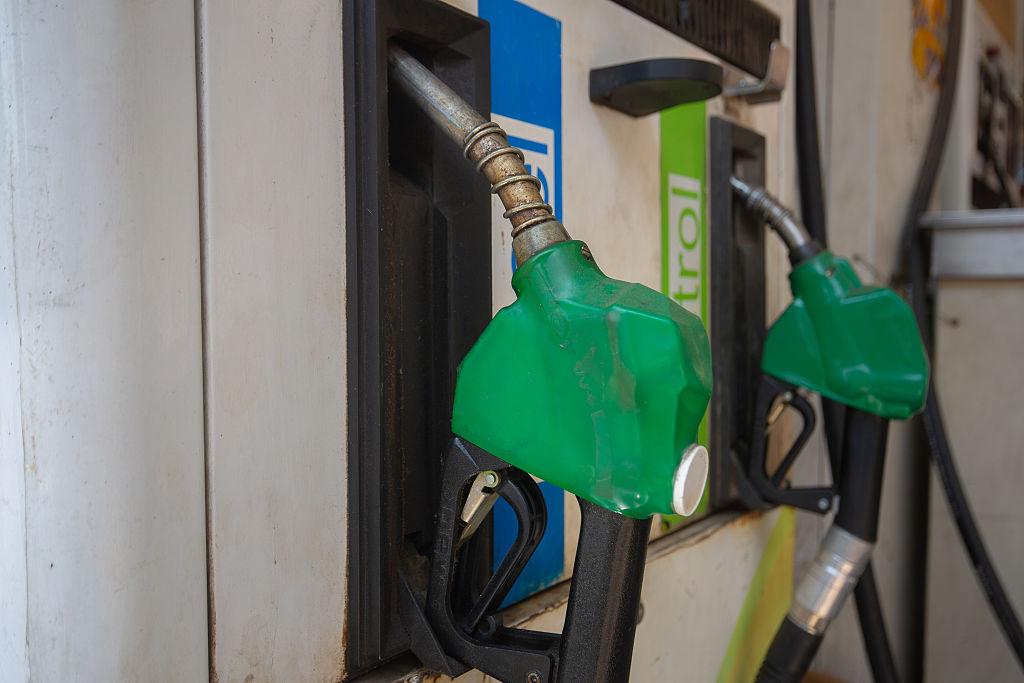
Conflicts involving oil-producing regions often cause:
- Petrol and diesel prices to rise
- Increased transportation costs
- Higher prices for goods and services
2. Impact on Freelancers and Online Workers
Many people working online may also feel indirect effects:
- Clients reduce budgets
- International payments get delayed
- Currency fluctuations affect earnings
3. Investment and Market Instability
Global markets react quickly to conflict:
- Stock markets become volatile
- Investors become cautious
- Business growth slows down
How People Are Coping in 2026
1. Adapting Spending Habits
Families are becoming more cautious:
- Cutting unnecessary expenses
- Prioritizing essentials
- Saving wherever possible
2. Exploring Online Income Sources
With traditional jobs affected, many are turning to:
- Freelancing
- Remote work
- Digital businesses
This shift is helping some people maintain income despite instability.
3. Community Support
In difficult times, communities often come together:
- Sharing resources
- Supporting local businesses
- Helping those in need
This human connection becomes a key survival factor.
Long-Term Effects to Watch
1. Economic Recovery May Take Time
Even after conflict reduces, rebuilding takes years:
- Infrastructure repair
- Business recovery
- Job market stabilization
2. Shift in Global Trade Patterns
Countries may start:
- Changing trade partners
- Reducing dependency on certain regions
- Investing in alternatives
3. Increased Focus on Financial Security
People are learning the importance of:
- Emergency funds
- Multiple income streams
- Financial planning
Conclusion
The Iran war situation in 2026 is more than just a political issue—it’s a human issue. From rising prices to job losses and emotional stress, the impact on daily life and income is significant.
While governments and global leaders work toward solutions, ordinary people continue to adapt, survive, and find new ways to manage their lives. Understanding these impacts helps us stay informed and better prepared for uncertain times.
FAQs
1. How does the Iran war affect common people?
It affects daily life through rising prices, job losses, shortages of goods, and increased stress and uncertainty.
2. Why are fuel prices increasing globally?
Iran is a key player in oil supply. Conflict disrupts production and transport, leading to higher global fuel prices.
3. Can people still earn money during such conflicts?
Yes, but it becomes more challenging. Many people shift to online work, freelancing, or alternative income sources.
4. How does war impact small businesses?
Small businesses face reduced demand, higher costs, and supply chain disruptions, making it harder to survive.
5. What can individuals do to manage during such times?
They can reduce expenses, diversify income sources, save money, and stay informed about economic changes