
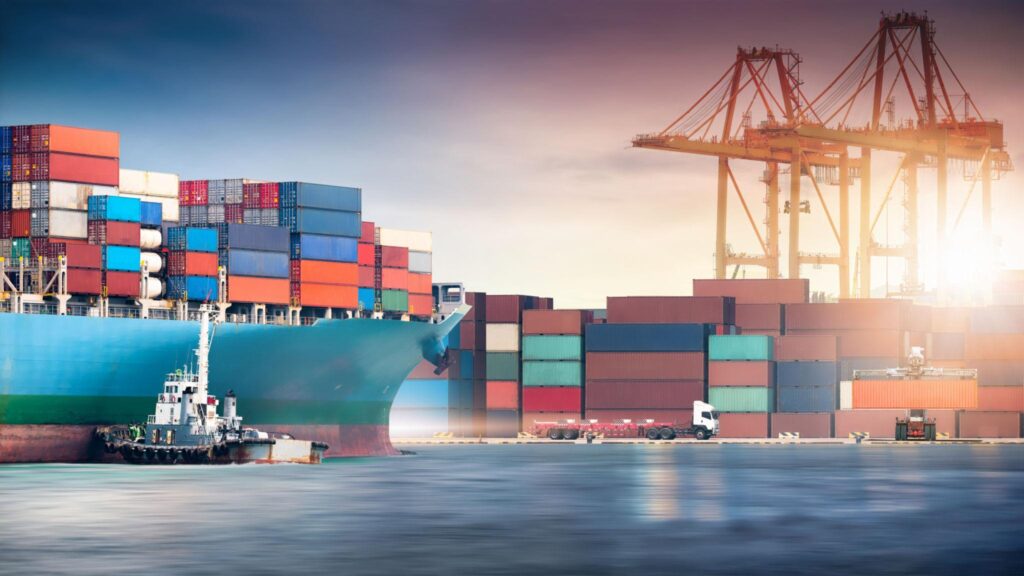
Starting an international trading business from India is one of the smartest ways to build a scalable and profitable venture in today’s global economy. With rising demand for Indian products worldwide and easier digital access to global buyers, now is the perfect time to enter import-export.
In this beginner-friendly guide, you’ll learn exactly how to start your international trading business step by step — even if you have zero experience.
What is an International Trading Business?
An international trading business involves buying and selling goods across countries. You can:
- Export products from India to other countries
- Import goods from other countries into India
- Or act as a middleman (trader) connecting buyers and suppliers globally
This model requires low investment and offers high profit margins when done correctly.
Step-by-Step Guide to Start Your Import Export Business
1. Choose the Right Product
Your first and most important step is selecting the right product.
Focus on:
- High-demand products in global markets
- Products with good profit margins
- Easy to ship items
Popular export products from India:
- Spices (turmeric, cumin, etc.)
- Textiles and garments
- Handicrafts
- Leather products
- Agricultural products
Pro Tip: Use platforms like Alibaba, IndiaMART, and TradeIndia to analyze demand.
2. Create a Business Plan
Treat this like a real business — not a side hustle.
Your plan should include:
- Target market (USA, UAE, Europe, etc.)
- Product pricing strategy
- Investment and expected profit
- Marketing plan
A clear plan helps you scale faster and attract serious buyers.
3. Register Your Business
To operate legally in India, you need to register your business.
You can choose:
- Sole Proprietorship (best for beginners)
- Partnership
- Private Limited Company
Also, open a current bank account for business transactions.
4. Get Import Export Code (IEC)

This is mandatory.
Apply for the IEC from the Directorate General of Foreign Trade.
Without IEC, you cannot do international trading.
The process is simple and can be completed online within a few days.
5. GST Registration
If you are exporting goods, GST registration is required.
Benefits:
- Claim tax refunds
- Build credibility
- Work with international clients easily
6. Find International Buyers
This is where most beginners struggle — but it’s the real money step.
You can find buyers through:
- B2B platforms like Alibaba
- LinkedIn outreach
- Trade fairs and exhibitions
- Email marketing
Advanced Tip: Search for buyers on Google, like:
“Importers of spices in Dubai”
7. Connect with Suppliers
If you don’t want to manufacture products, no problem.
You can:
- Source products from local manufacturers
- Act as a middleman
Platforms like IndiaMART help you find reliable suppliers easily.
8. Understand Pricing & Profit Margins
Your profit comes from the difference between:
- Supplier price
- Buyer price
Example:
- Buy at ₹100
- Sell at ₹150
- Profit = ₹50 per unit
Always include:
- Shipping cost
- Customs duty
- Documentation charges
9. Learn Shipping & Logistics
Shipping is a crucial part of international trade.
Key terms you should know:
- FOB (Free on Board)
- CIF (Cost, Insurance, Freight)
- EXW (Ex Works)
You can work with:
- Freight forwarders
- Logistics companies
They handle:
- Shipping
- Documentation
- Customs clearance
10. Documentation You Need
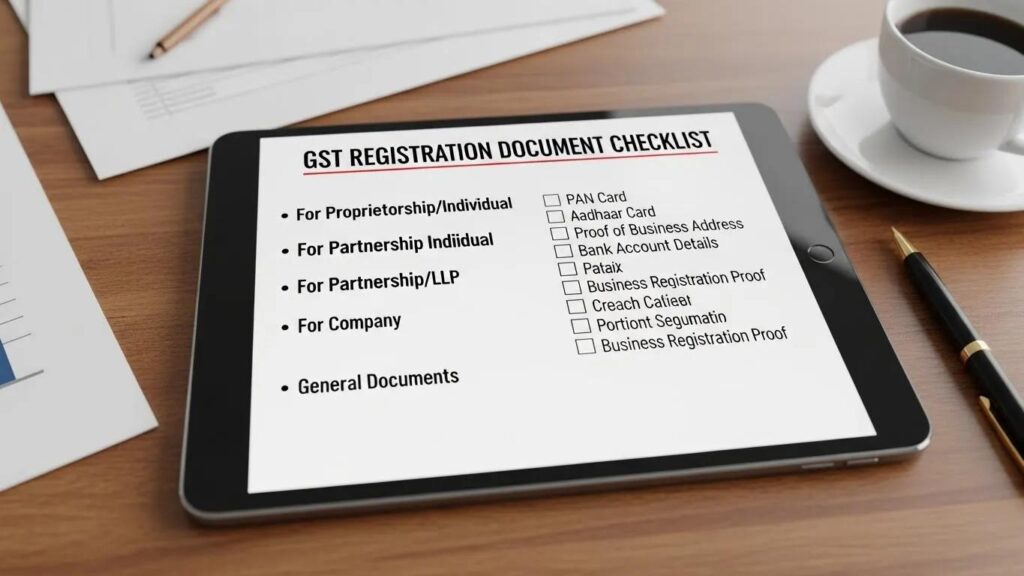
Important documents include:
- Invoice
- Packing List
- Bill of Lading
- Shipping Bill
Don’t worry — your freight forwarder will guide you.
11. Payment Methods
Always use secure payment methods:
- Advance Payment
- Letter of Credit (LC)
- PayPal / Bank Transfer
Avoid risky deals without proper verification.
Smart Business Model (Low Investment)

If you’re starting with a low budget, follow this model:
- Find a buyer
- Take order
- Source product from the supplier
- Ship directly
This is called trading without inventory — very powerful for beginners.
Tips to Grow Faster
- Focus on one niche product
- Build long-term relationships
- Use professional communication
- Create a simple website
- Learn negotiation skills
Common Mistakes to Avoid
- Choosing the wrong products
- Not verifying buyers
- Ignoring documentation
- Poor pricing strategy
- Lack of research
Avoid these, and you’ll already be ahead of 90% beginners.
Conclusion

Starting an international trading business from India is not complicated — it just requires the right steps and consistency.
With minimal investment, you can build a global business, connect international buyers, and earn in dollars.
The key is:
Start small
Learn fast
Scale smart
FAQs
1. Can I start an import export business with low investment?
Yes, you can start with ₹10,000–₹50,000 using the middleman model.
2. Is IEC mandatory?
Yes, an IEC from the Directorate General of Foreign Trade is required for international trading.
3. Which product is best for export from India?
Spices, textiles, handicrafts, and agricultural products are highly profitable.
4. How do I find international buyers?
Use platforms like Alibaba, LinkedIn, and Google search strategies.
5. Is the import export business profitable?
Yes, it offers high profit margins if done with the right strategy.