

Starting an import-export business is one of the smartest ways to tap into global opportunities. Whether you want to export Indian products like spices, textiles, or handicrafts—or import goods for local resale—the biggest challenge is clear: finding reliable international buyers and suppliers.
The good news? In 2026, you don’t need huge capital or global offices to do this. With the right strategy, tools, and approach, you can connect with genuine partners worldwide from your laptop.
In this guide, you’ll learn practical, beginner-friendly methods to find international buyers and suppliers, build trust, and grow your import-export business step by step.
Why Finding the Right Buyers & Suppliers Matters
Before jumping into methods, understand this:
- A good buyer ensures consistent revenue
- A reliable supplier ensures product quality and timely delivery
- The wrong partner can cause loss, delays, and reputation damage
So your goal is not just to find contacts, but to find trusted business partners.
1. Use B2B Marketplaces (Fastest Way to Start)
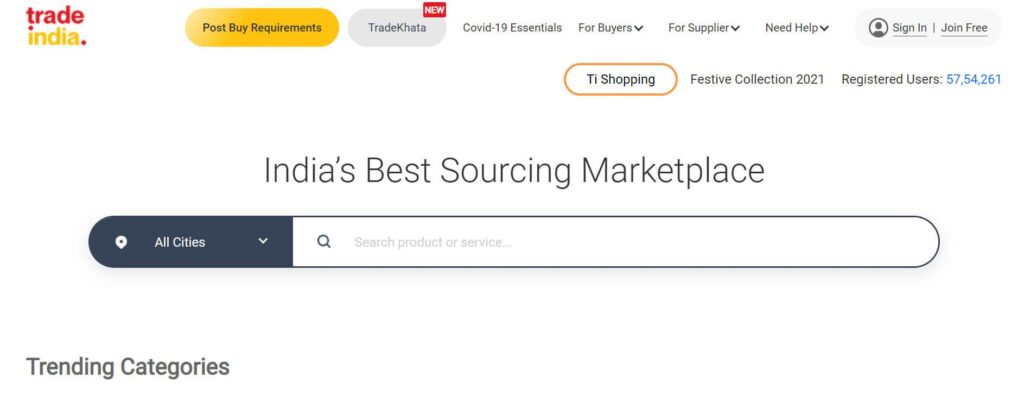
Online B2B platforms are the easiest entry point.
Popular Platforms:
- Alibaba – Global buyers & suppliers
- IndiaMART – Great for domestic sourcing
- TradeIndia – Export/import leads
- Global Sources – Verified Asian suppliers
How to Use Them:
- Create a professional profile
- List your products clearly
- Use keywords like “bulk supplier”, “export quality,” and “OEM manufacturer.”
- Send direct inquiries to suppliers/buyers
Pro Tip:
Don’t depend on one platform—use multiple marketplaces to increase leads.
2. Attend Trade Fairs & Exhibitions

Trade fairs are goldmines for serious business connections.
Examples:
- Canton Fair
- India Trade Promotion Organisation exhibitions
- Dubai Expo
Benefits:
- Meet buyers face-to-face
- Build trust quickly
- Understand market demand
- Close deals faster
Carry:
- Business cards
- Product samples
- Price list
3. Use Social Media & LinkedIn (Underrated Strategy)

Social platforms are powerful for B2B connections.
Best Platform:
Strategy:
- Search: “importers of spices USA”, “textile buyers Europe.
- Send personalized messages
- Post regularly about your products
- Join export/import groups
Example Message:
“Hi, I’m an exporter from India dealing in high-quality spices. I’d love to explore potential collaboration.”
4. Government Export Promotion Councils
Government bodies help exporters find verified buyers.
In India:
- Export Promotion Council for Handicrafts
- Spices Board of India
- APEDA
What You Get:
- Buyer databases
- Trade leads
- Export guidance
- Certifications
This is especially useful if you’re just starting your export journey.
5. Build Your Own Website (Long-Term Strategy)

A professional website builds credibility.
Must-Have Pages:
- About Us
- Product Catalog
- Certifications
- Contact Details
Tools:
- Shopify
- WordPress
SEO Tip:
Use keywords like:
- “Indian spice exporter”
- “textile supplier India”
This helps international buyers find you on Google.
6. Use Google Smartly (Advanced Trick)
Most beginners ignore this—but it works.
Search Like a Pro:
- “importers of rice in the UAE”
- “wholesale textile buyers in Germany”
- “bulk spice buyers USA email”
What to Look For:
- Company websites
- Email contacts
- Trade directories
Then reach out directly with a professional email.
7. Partner with Export Agents & Brokers
If you don’t want to find buyers yourself:
- Work with export agents
- They already have buyer networks
- They take commission but save time
Good for beginners who want quick entry.
8. Verify Buyers & Suppliers (Very Important)
Never skip verification.
Check:
- Company registration
- Website authenticity
- Reviews
- Payment terms
Tools:
- Video calls
- Sample orders
- Third-party inspection
Warning:
Avoid deals that:
- Offer unrealistic profits
- Ask for a full advance without proof
9. Build Long-Term Relationships
Success in import-export is not a one-time deal.
Focus on:
- Trust
- Consistency
- Communication
A single good buyer can give you repeat orders for years.
Common Mistakes to Avoid
- Choosing the cheapest supplier over quality
- Not verifying buyers
- Poor communication
- Ignoring contracts
- Lack of follow-up
Avoid these, and your business will grow faster.
Conclusion
Finding international buyers and suppliers may seem difficult at first—but with the right strategy, it becomes much easier.
Start with:
- B2B platforms
- LinkedIn networking
- Trade fairs
Then scale with:
- Your website
- Government support
- Direct outreach
The global market is huge, and India has massive export potential. If you stay consistent and smart, you can build a profitable import-export business—even as a beginner.
FAQs
1. How can beginners find international buyers?
Start with B2B platforms like Alibaba and networking on LinkedIn.
2. Is it safe to trade internationally online?
Yes, but always verify buyers/suppliers before making deals.
3. What is the best product to export from India?
Spices, textiles, handicrafts, and agricultural products are in high demand.
4. Do I need a license to export?
Yes, you need an IEC (Import Export Code) in India.
5. How long does it take to find buyers?
It can take a few weeks to months, depending on your strategy and effort.