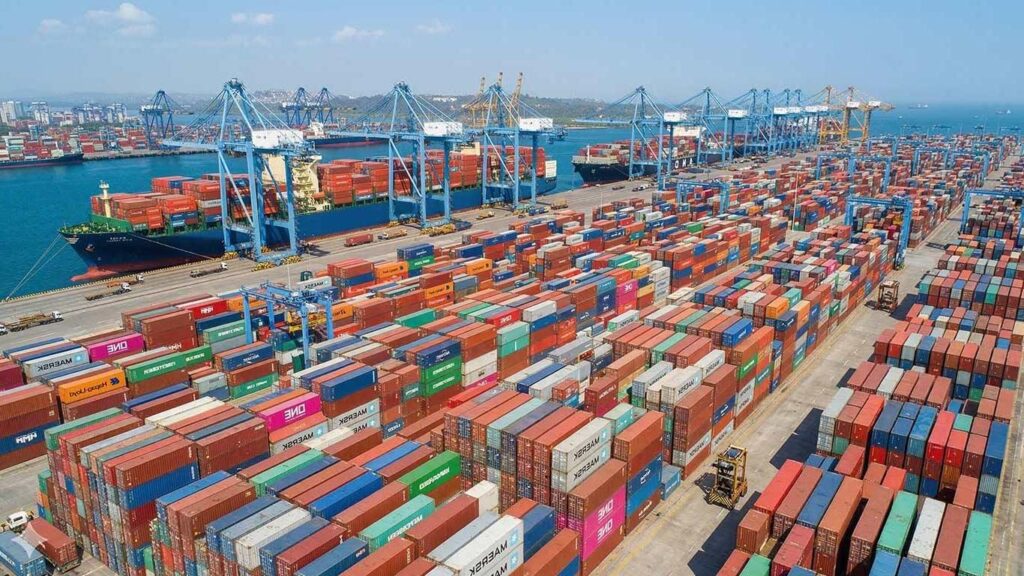
Starting an import-export business in India in 2026 is one of the smartest ways to tap into global markets while sitting right here at home. With India’s growing economy, improved logistics, and digital platforms making international trade easier than ever, this is the perfect time to get started.
Whether you want to connect Indian suppliers with global buyers or bring international products to the Indian market, this guide will walk you through everything—step by step—in a simple, practical way.
Why Start an Import Export Business in 2026?
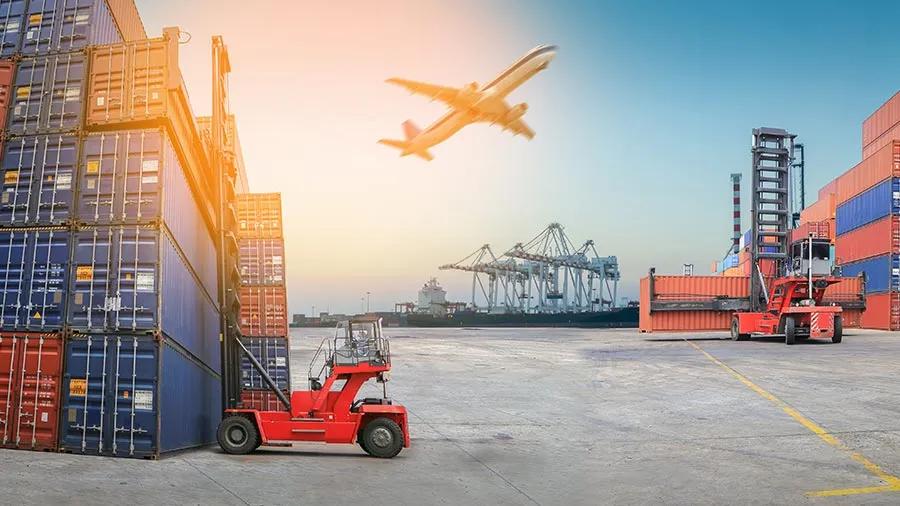
India is rapidly becoming a global trade hub. Government initiatives like Digital India and Make in India have boosted exports and simplified processes.
Here’s why this business is booming:
- Low startup cost compared to manufacturing
- High profit margins in niche products
- Opportunity to work with international clients
- Government support and incentives
- Growth of e-commerce exports
Step 1: Choose the Right Product

Your product selection can make or break your business.
Best export products from India:
- Spices (turmeric, cumin, chili)
- Handicrafts
- Textiles and garments
- Leather goods
- Agricultural products
Tips:
- Choose products with high demand internationally
- Avoid highly regulated items in the beginning
- Focus on niche markets for better margins
Step 2: Conduct Market Research
Before jumping in, understand:
- Which countries demand your product
- Pricing trends
- Competitors
- Import/export regulations of target countries
Use platforms like:
- Alibaba
- IndiaMART
- DGFT
This helps you validate demand and avoid costly mistakes.
Step 3: Register Your Business
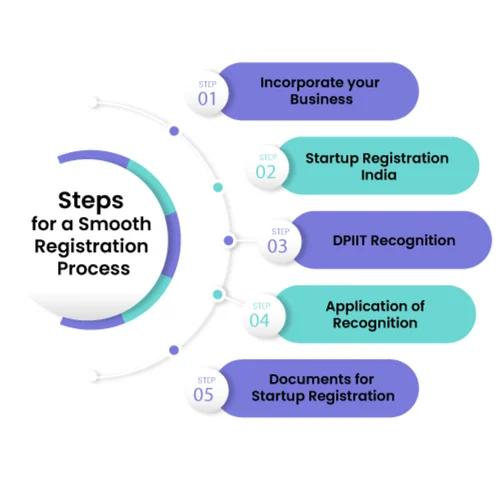
You need to set up your business legally.
Options:
- Sole Proprietorship
- Partnership
- LLP
- Private Limited Company
Basic requirements:
- PAN Card
- Aadhaar Card
- Bank Account
- GST Registration
Step 4: Get IEC Code (Import Export Code)
The Import Export Code (IEC) is mandatory.
You can apply through DGFT.
Without an IEC, you cannot legally import or export goods.
Documents needed:
- PAN Card
- Bank details
- Address proof
Approval usually comes quickly—often within a few days.
Step 5: Understand Logistics & Shipping
This is where most beginners struggle—but it’s manageable once you understand the basics.
Key components:
- Freight forwarder
- Packaging
- Shipping method (Air/Sea)
- Customs clearance
Work with reliable logistics partners to avoid delays and losses.
Step 6: Pricing & Payment Methods
Set competitive pricing by considering:
- Product cost
- Shipping cost
- Customs duties
- Profit margin
Common payment methods:
- Advance payment
- Letter of Credit (LC)
- PayPal / Wire Transfer
Always secure your payments, especially with new clients.
Step 7: Find International Buyers
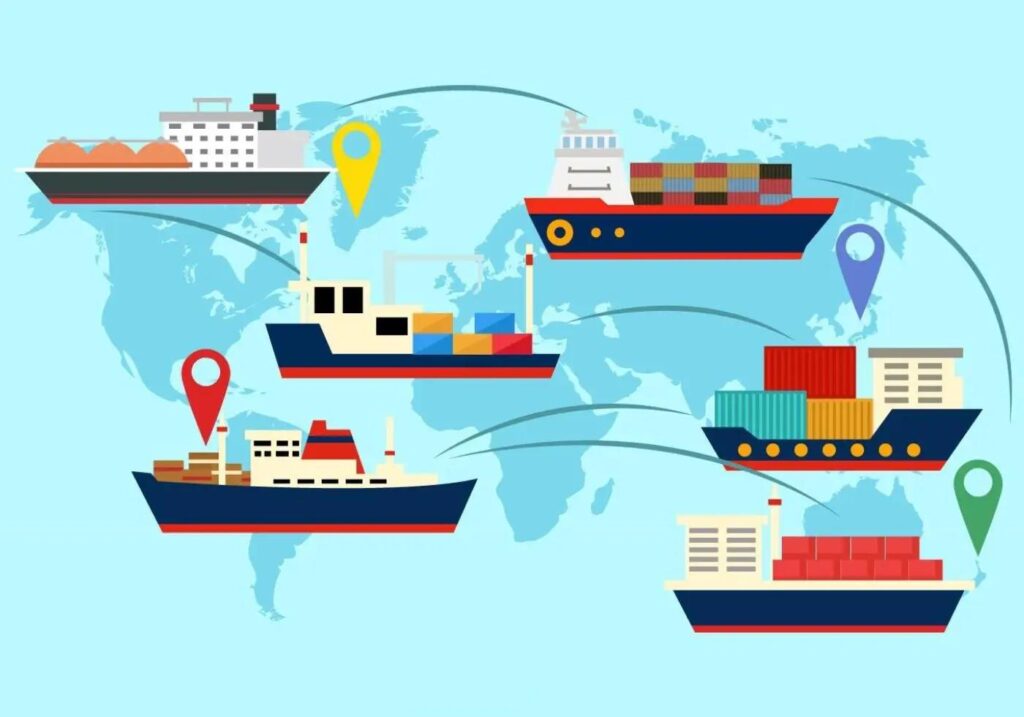
This is the most important part of your business.
Ways to find buyers:
- B2B platforms (like Alibaba)
- Trade fairs and exhibitions
- LinkedIn outreach
- Export promotion councils
Pro Tip: Build long-term relationships instead of one-time deals.
Step 8: Marketing Your Export Business
You need visibility to grow.
Strategies:
- Create a professional website
- Use SEO (target keywords like “Indian spices exporter”)
- Social media marketing
- Email outreach
Digital presence is your biggest asset in 2026.
Common Mistakes to Avoid
- Not doing proper documentation
- Ignoring quality standards
- Choosing unreliable suppliers
- Poor communication with buyers
- Not understanding international laws
Avoiding these can save you time, money, and reputation.
Future of Import-Export Business in India

The future looks extremely promising.
With advancements in:
- AI-powered trade tools
- Faster logistics
- Government support
India is expected to become one of the top exporting nations globally.
FAQs
1. How much investment is needed to start?
You can start with as low as ₹50,000–₹2,00,000, depending on the product and scale.
2. Is IEC mandatory?
Yes, an IEC is required for any import/export activity.
3. Can I run this business from home?
Yes, many exporters operate from home using online tools.
4. Which products are most profitable?
Niche products like organic spices, handmade goods, and textiles often have high margins.
5. How do I find trusted buyers?
Use verified platforms like Alibaba and attend trade fairs.
Conclusion
Starting an import-export business in India in 2026 is not just an opportunity—it’s a smart move for anyone looking to build a global income stream. With the right strategy, product selection, and networking, you can scale this business significantly.
The key is to start small, stay consistent, and build strong international connections.